




 Products Range
Bridge Expansion Joints
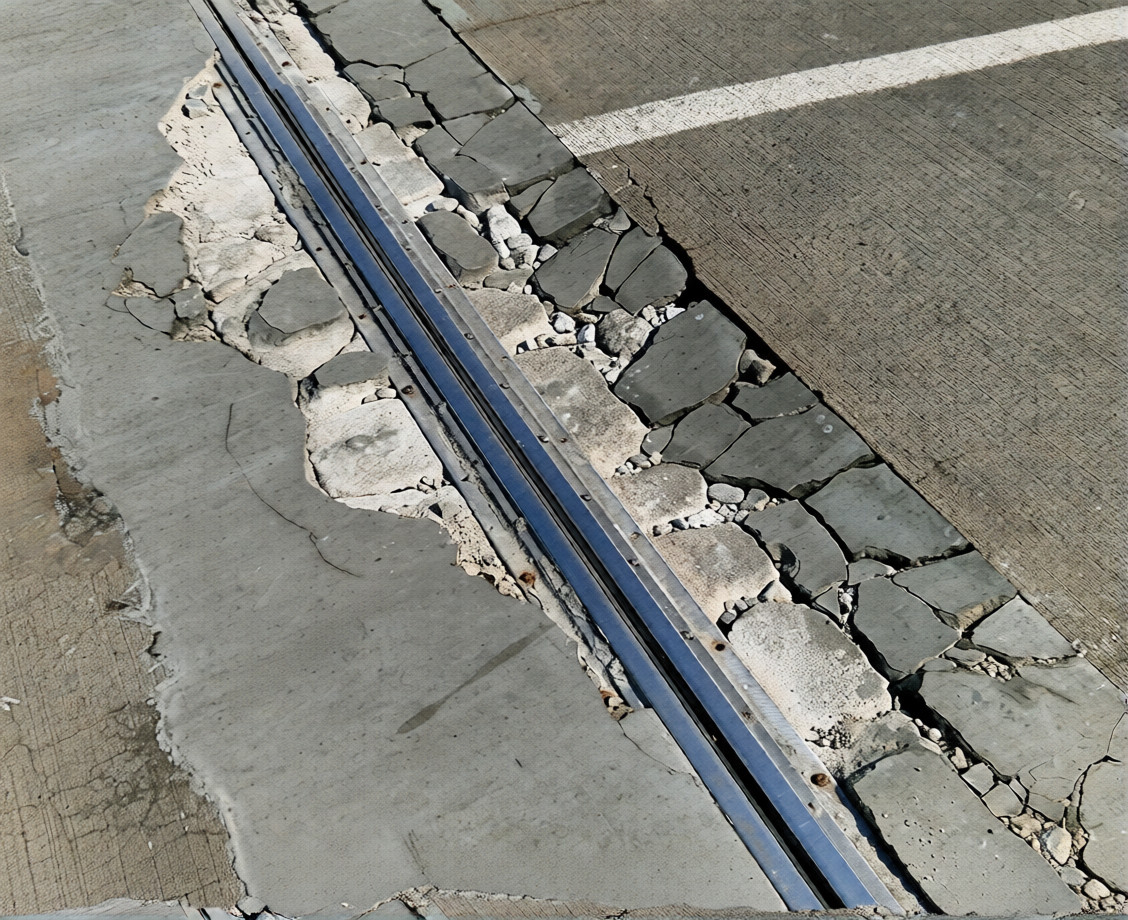
Maruti Bridge Expansion Joints are engineered elastomeric movement systems for bridges, flyovers, viaducts and elevated roadways. They accommodate thermal, traffic, seismic and structural movement while helping maintain a smooth riding surface and a reliable watertight seal.
Manufactured using high-grade elastomeric materials and precision-engineered steel components, the systems are designed to resist mechanical loads, environmental exposure and chemical attack. Multiple configurations are available to meet project-specific movement, loading and structural requirements.
Key Benefits and Features
- Superior durability: High-performance elastomers and reinforced steel components withstand heavy traffic, repeated impact and movement cycles.
- High movement accommodation: Supports longitudinal and transverse movement, vertical deflection and rotation.
- Watertight protection: Sealing systems help prevent water and debris from reaching bearings, reinforcement and substructures.
- Enhanced safety and ride quality: Provides a smooth transition that helps reduce bumps, noise, vibration and dynamic impact.
- Low maintenance: Robust construction helps reduce maintenance requirements, bridge downtime and lifecycle costs.
- Environmental resistance: Designed for de-icing salts, fuel and oil spills, chemical pollutants, UV exposure and traffic abrasion.
Product Gallery
 Installed bridge joint system
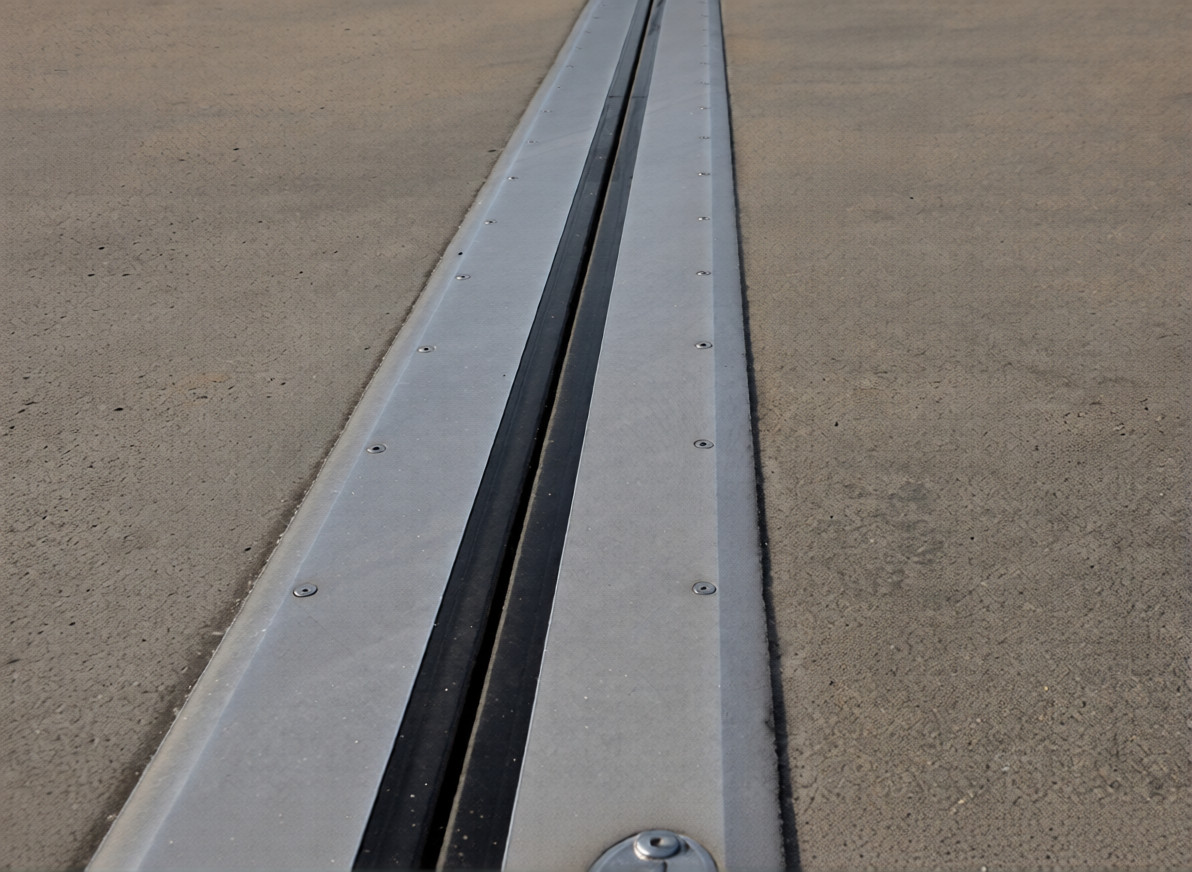 Roadway strip seal joint
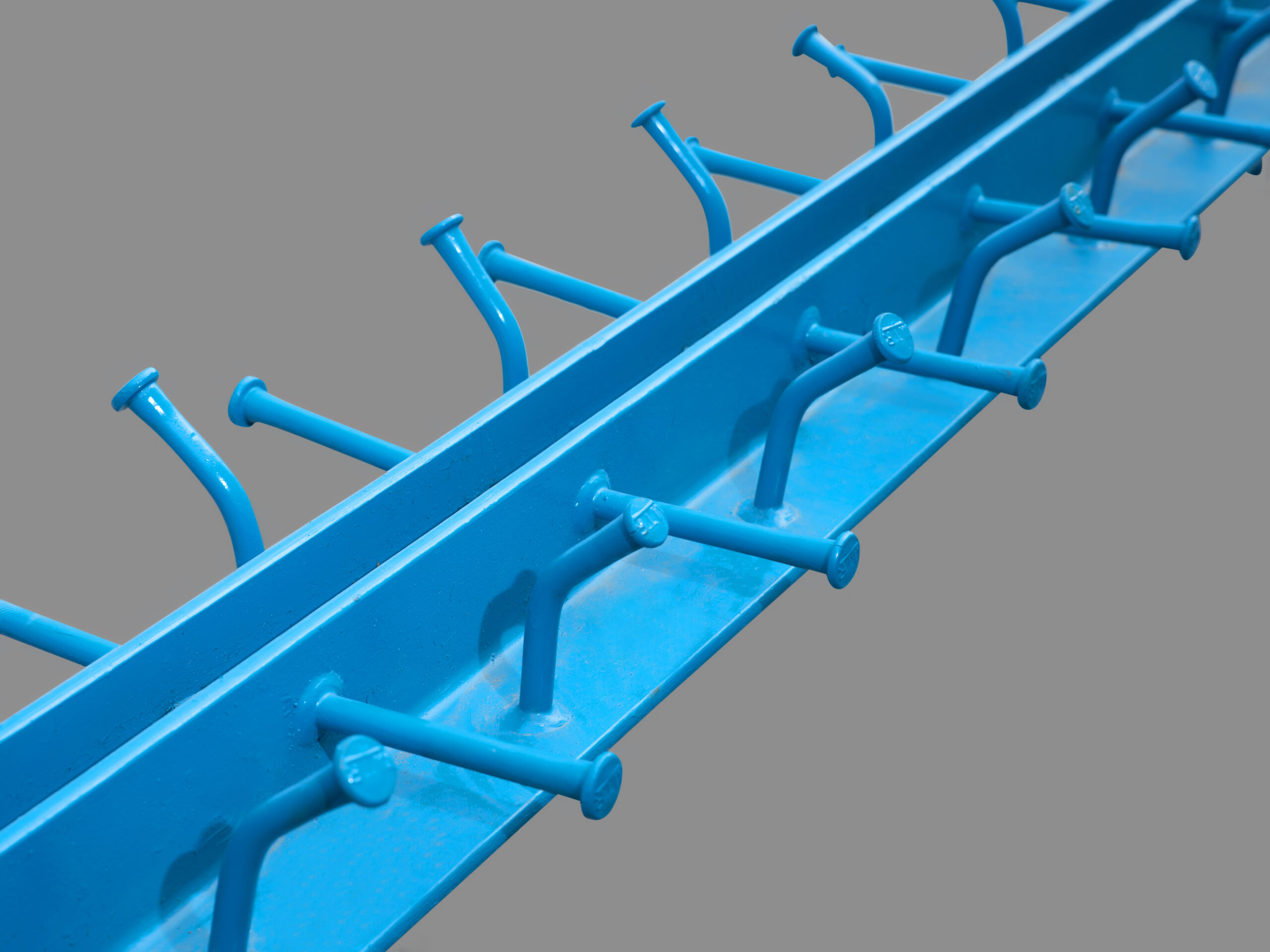 Steel joint assembly detail
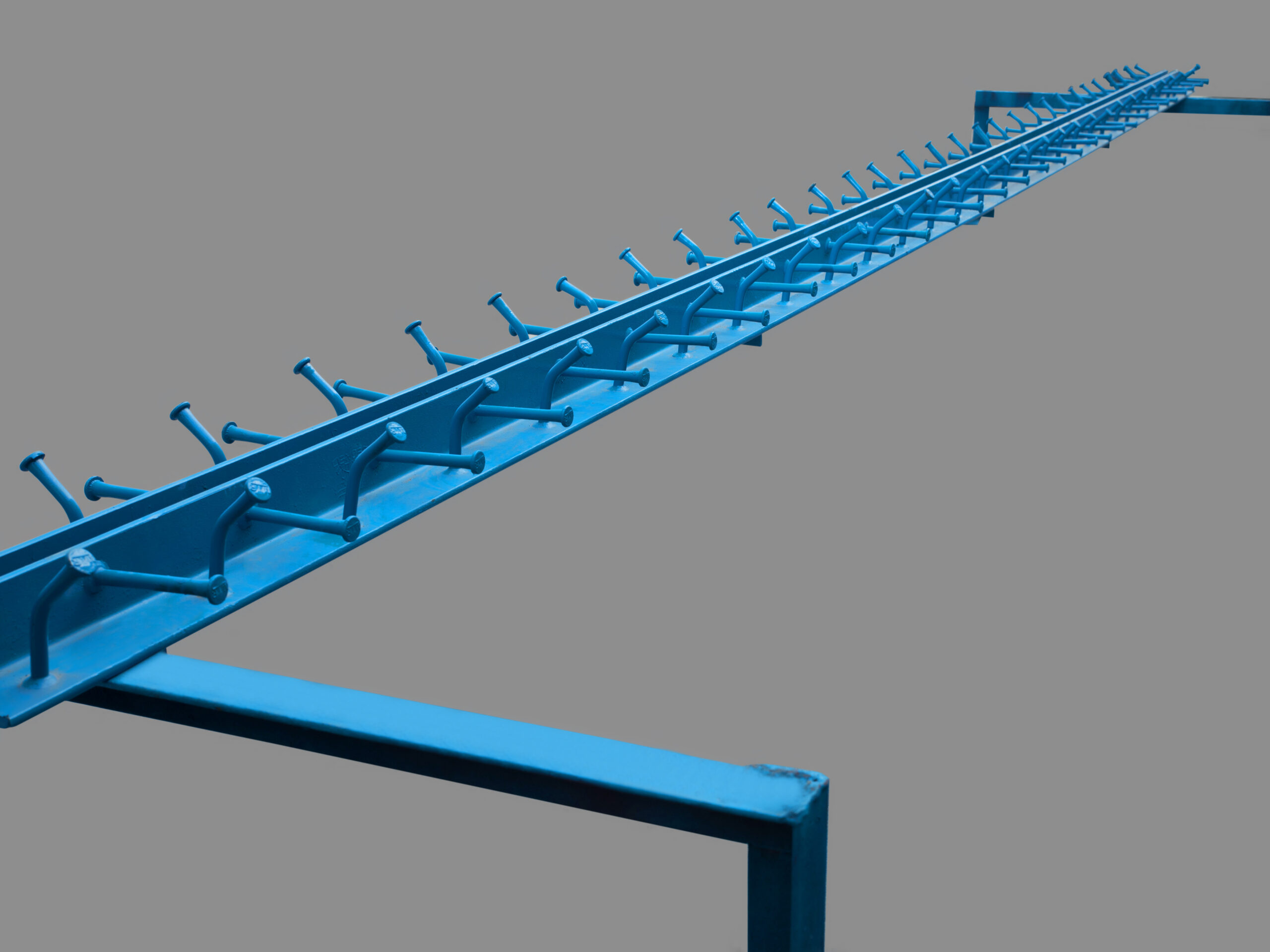 Full joint assembly
Types of Bridge Expansion Joints
| Type | Description | Typical Movement | Typical Applications |
|---|---|---|---|
| Strip Seal Expansion Joints | Steel edge beams anchored into the bridge deck with a preformed elastomeric sealing gland for watertight sealing and high traffic loads. | Approx. 40-80 mm | Highway bridges, urban flyovers, medium-span bridges and elevated roadways |
| Compression Expansion Joints | Preformed elastomeric blocks or foam-type rubber profiles installed in the expansion gap to absorb movement through compression and expansion. | Approx. 20-40 mm | Pedestrian bridges, light-traffic bridges, small-span bridges and foot overbridges |
| Single Strip Box Seal Expansion Joints | Steel edge beams with a box-shaped elastomeric seal for larger and multi-directional structural movement with watertight performance. | Up to 130 mm or more | Long-span bridges, major highway bridges and structures with significant thermal variation |
Movement ranges are indicative and should be confirmed against project-specific structural requirements and technical data before engineering or procurement decisions.
Design Criteria
- Accommodate deck movement in the X, Y and Z axes, including translation and rotation.
- Maintain a smooth riding surface without excessive bumps or noise.
- Provide durability under heavy and continuous traffic.
- Maintain watertight and debris-repelling sealing performance.
- Select suitable capacity where expansion and contraction gaps reach 100 mm or more.
- Avoid excessive stiffness or restraint that can create stress concentration.
- Prevent debris accumulation that can lock the joint and contribute to structural distress.
Applications
Highways and Expressways
Major highway bridges and flyovers requiring smooth transitions under continuous heavy traffic.
Railway Bridges
Bridge structures carrying rail or road traffic where controlled movement is required.
Urban and Pedestrian Bridges
City bridges, footbridges and urban infrastructure requiring flexibility and safe surfaces.
Dams and Reservoir Bridges
Structures exposed to fluctuating environmental conditions where movement accommodation and sealing are important.
Tunnels and Underground Structures
Tunnel entrances and underground bridge systems that must accommodate ground movement and structural displacement.
Why Expansion Joints Are Essential
Bridge decks are exposed to thermal changes, traffic loads, vibration, wind and seismic movement. Expansion joints provide controlled movement between structural segments while maintaining surface continuity and helping protect the structure from water and debris.
- Accommodate thermal expansion and contraction of bridge decks.
- Allow movement caused by traffic loads and vibration.
- Absorb seismic and wind-induced displacement.
- Help prevent structural cracking, stress concentration, water infiltration and reinforcement corrosion.
Quality and Manufacturing
Bridge expansion joints are manufactured under ISO 9001:2015 certified quality systems and built to specification for OEM and infrastructure applications. Each system combines high-grade elastomeric materials with precision-engineered steel components.
Product Selection Considerations
- Required movement range and direction of movement
- Bridge span and structural configuration
- Traffic volume and loading conditions
- Thermal, seismic, wind and environmental exposure
- Required watertight sealing performance
- Installation and maintenance requirements
Key Specifications at a Glance
| Parameter | Details |
|---|---|
| Primary function | Controlled structural movement and watertight sealing |
| Movement | Longitudinal, transverse, vertical and rotational |
| Materials | High-grade elastomeric materials and precision-engineered or reinforced steel components |
| Typical movement ranges | Approx. 20-40 mm, 40-80 mm, and up to 130 mm or more depending on joint type |
| Quality system | ISO 9001:2015 certified quality systems |
| Primary sectors | Highways, bridges, railways, urban infrastructure, dams, reservoirs and tunnels |
